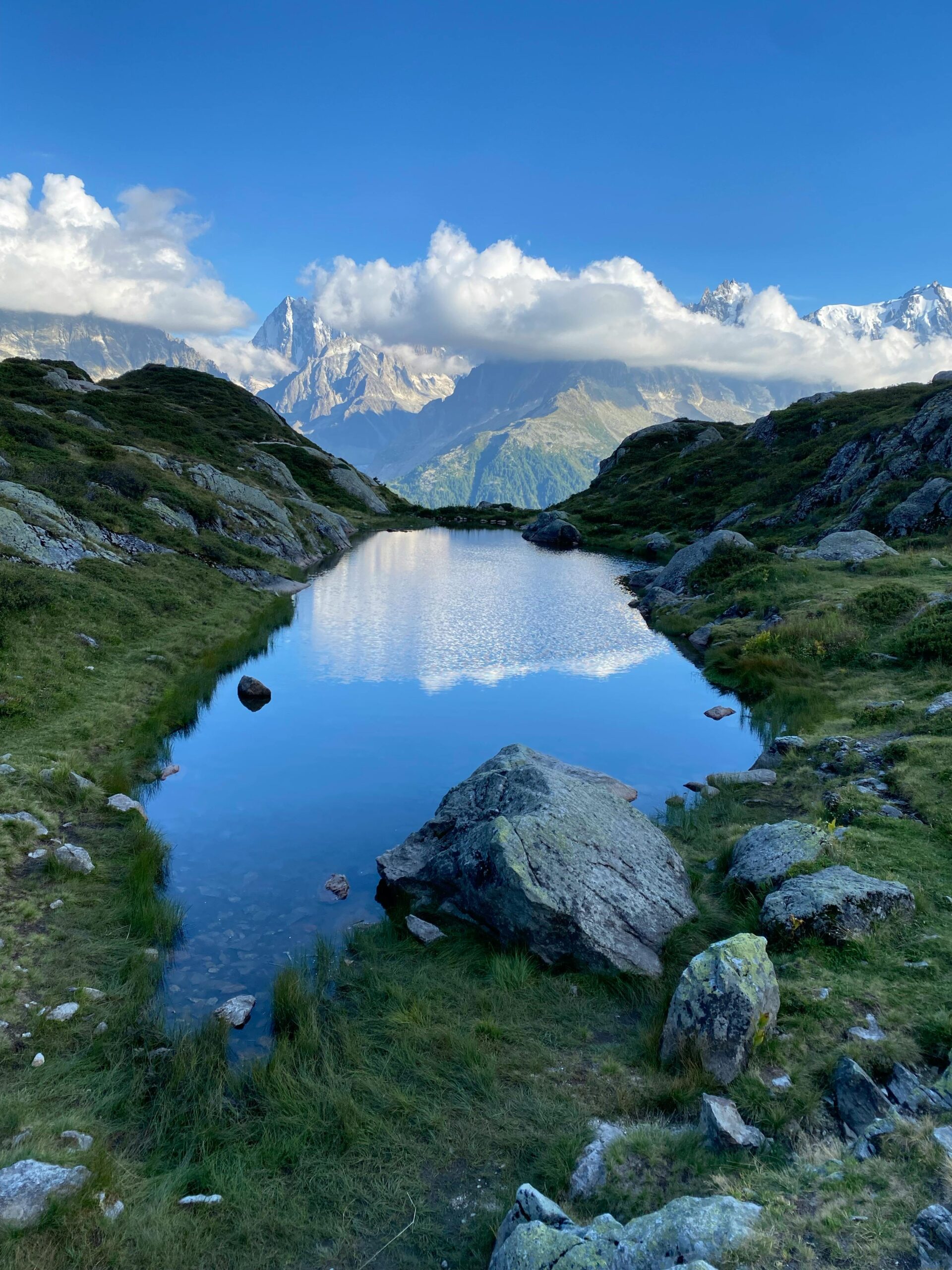
It begins just outside the city
Gangtok fades quickly.
Within minutes of leaving the town, the roads begin to rise, the air sharpens, and the landscape starts to open.
What felt like a busy hill station slowly gives way to something quieter.
The climb is steady.
Not rushed, not dramatic — just gradual enough for you to notice the change.
The road has its own rhythm
The drive to Tsomgo Lake isn’t long in distance, but it rarely feels short.
Each turn reveals something slightly different — a valley opening on one side, a stretch of road cutting through rock on the other.
There are moments of stillness, followed by sudden bursts of movement — army trucks passing, prayer flags fluttering in the wind.
It’s not a road you speed through.
It’s one you adjust to.
Altitude changes everything
As the road climbs higher, the air grows thinner.
You may not notice it immediately, but slowly, the temperature drops, the wind picks up, and even small movements feel a little heavier.
This is where the landscape begins to feel more Himalayan than hilly.
Trees become sparse.
The terrain looks raw, almost untouched.
And the silence deepens.
Tsomgo Lake appears almost unexpectedly
There isn’t a dramatic reveal.
One moment you’re on the road, the next — the lake is there.
Still, cold, and surrounded by mountains that seem to hold it in place.
In winter, it often freezes.
In other seasons, it reflects the sky in quiet, shifting shades.
There are visitors, yes. Small stalls, a few yaks, the usual signs of tourism.
But step a little away, and the place returns to itself.
The people who live and work along the way
This route isn’t empty.
There are drivers who travel it daily, adapting to its moods.
Small vendors who set up in the cold, offering tea or simple food.
Army presence, steady and constant, shaping much of the movement in the region.
Life here is not built around convenience.
It’s built around adjustment.
Permits and preparation
The journey to Tsomgo Lake isn’t entirely open.
Permits are required, and they’re usually arranged in advance through local operators.
It’s a small step, but an important one —
a reminder that this isn’t just another tourist drive.
Carrying warm clothing, even on seemingly clear days, matters more than most expect.
Weather shifts quickly at this altitude.
Timing the journey
Early mornings tend to feel clearer.
The light is softer, the roads less crowded, and the experience more personal.
By afternoon, the area can feel busier, and weather conditions sometimes change.
Leaving early isn’t just about convenience —
it changes how the journey feels.
Moving through, not just arriving
Many travellers come here with a checklist.
Reach the lake. Take photos. Move on.
But the drive itself holds just as much.
The pauses along the way.
The quiet stretches.
The moments where nothing is happening, yet everything feels present.
Some travellers, after a while, begin to prefer slower, more locally connected ways of exploring — travelling with drivers who are familiar with these routes, who know when to stop and when to move.
It shifts the journey from something planned… to something experienced.
What stays with you
Tsomgo Lake is beautiful.
But it’s often the road that remains in memory.
The gradual climb.
The changing air.
The quiet understanding that you’re moving through a place that doesn’t need to be explained.
FAQs
How far is Tsomgo Lake from Gangtok?
It is around 40 km and usually takes about 1.5 to 2 hours depending on road conditions.
Do I need a permit to visit Tsomgo Lake?
Yes, permits are required and are arranged through local operators.
What is the best time to visit Tsomgo Lake?
Morning hours are generally better for clear views and a calmer experience.