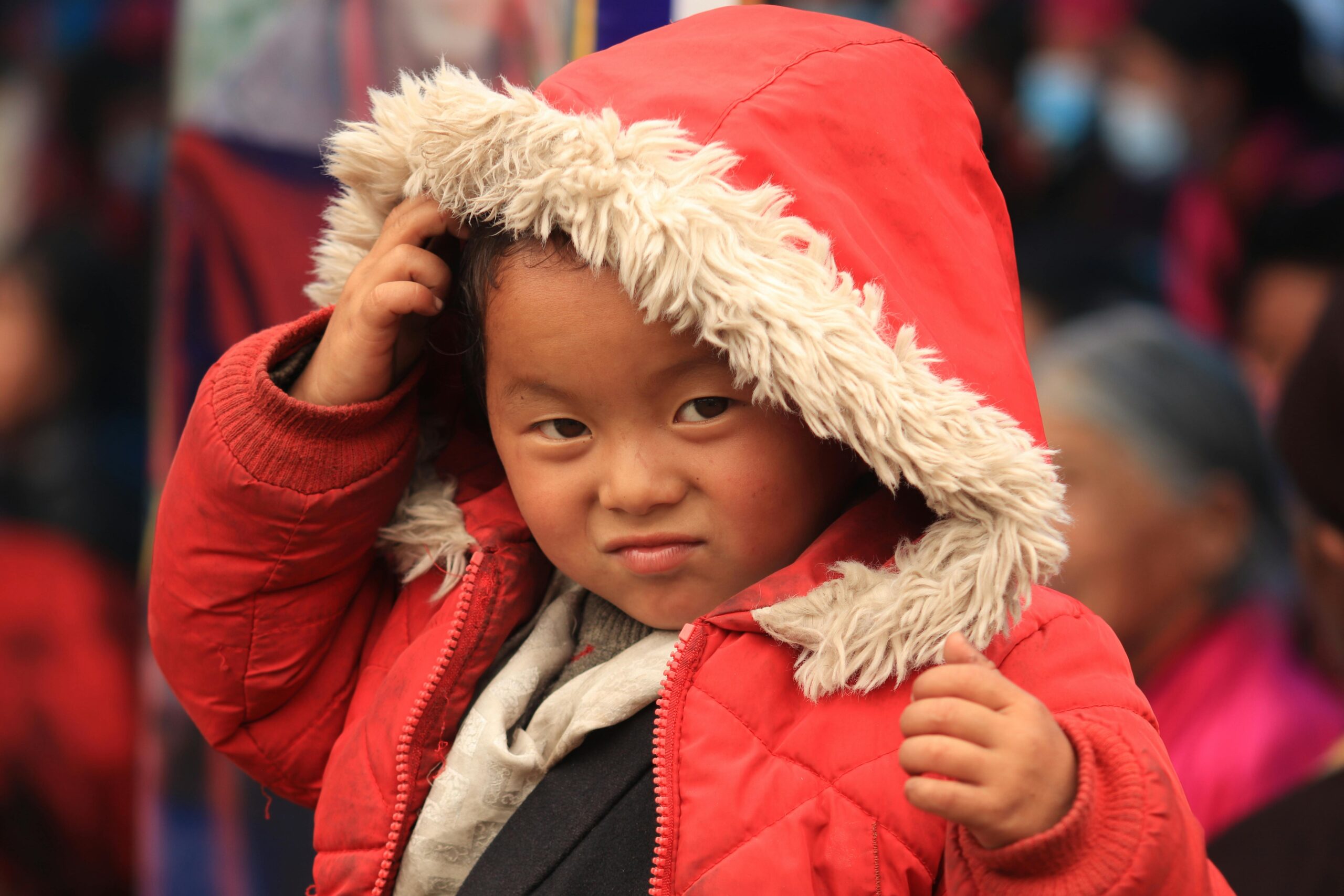
The first thing you notice is the stillness
North Sikkim doesn’t announce itself loudly.
There are no crowds spilling into the streets, no constant hum of traffic.
Instead, there’s a quiet rhythm — broken only by the sound of wind moving through the valley or a distant river carving its way down the mountains.
Places like Lachung and Lachen sit high enough for the air to feel different.
Cleaner, thinner, and somehow slower.
Mornings shaped by light, not clocks
In these villages, the day begins early.
Not out of urgency, but necessity.
The sun arrives late behind the mountains, and when it does, people are already awake — preparing for the hours of daylight they have.
Shops open without rush. Water is collected. Kitchens come alive with the smell of tea.
There’s no sense of being late here.
Only a quiet understanding of when things need to be done.
Living with the mountain, not against it
Life in North Sikkim is closely tied to the land.
Winters are long and cold.
Supplies can be limited.
Roads are sometimes unreliable.
But instead of resisting these challenges, people adapt around them.
Homes are built for warmth rather than display.
Daily routines adjust with the seasons.
And patience becomes part of everyday life.
Inside a North Sikkim home
Step into a local home, and the centre is almost always the kitchen.
It’s where warmth gathers — both from the fire and from conversation.
Meals are simple but filling.
Rice, vegetables, eggs, sometimes meat. Always something warm.
Guests are often offered tea before anything else.
Not as a formality, but as a natural part of being there.
Community as a way of life
In remote places, independence has limits.
Here, people rely on each other.
Neighbours check in during harsh weather.
Help comes quickly when roads close or plans change.
It’s a quieter form of connection — not spoken about much, but deeply present.
The role of tourism
Tourism has found its way into North Sikkim, but it hasn’t taken over.
Homestays and small lodges offer travellers a glimpse into local life, while still allowing communities to hold onto their routines.
Visitors often pass through quickly — a night in Lachung, perhaps another in Lachen — before moving on.
But those who stay a little longer begin to notice the details:
the way evenings settle early,
the way conversations stretch over tea,
the way silence becomes comfortable.
Winter, when everything slows
As winter sets in, North Sikkim changes.
Temperatures drop sharply.
Snow begins to shape the landscape.
Movement becomes more limited.
Life turns inward.
There’s less travel, fewer visitors, and more time spent indoors.
It’s a season that demands adjustment, but also brings a kind of stillness that’s hard to find elsewhere.
Growing up here
For children, life unfolds differently.
Paths replace roads.
Open spaces replace screens.
Nature isn’t something to visit — it’s simply there.
The mountains become familiar, not distant.
And that familiarity shapes how they see the world.
Passing through, or staying a while
Most travellers experience North Sikkim in fragments — a few viewpoints, a tight itinerary, a handful of photographs.
But the place reveals itself slowly.
In the pause between destinations.
In the quiet moments that don’t make it onto itineraries.
Some travellers, after spending time here, begin to choose more grounded ways of exploring — relying on local networks, drivers, and hosts who are already part of this landscape.
It makes the journey feel less like a visit, and more like a continuation of the place itself.
What stays with you
Long after the trip ends, it’s rarely just the views that remain.
It’s the pace.
The simplicity.
The sense that life, even in its challenges, can feel steady and complete.
North Sikkim doesn’t try to impress.
It simply exists — and invites you to notice.
FAQs
What is daily life like in North Sikkim?
Life is simple, shaped by weather, community and limited resources, with a strong connection to the environment.
What do people eat in North Sikkim?
Meals are usually warm and simple — rice, vegetables, eggs and locally available ingredients.
Is North Sikkim difficult to live in?
It can be challenging due to climate and remoteness, but people are well adapted to these conditions.